
Pasabag Valley Cappadocia (Monks Valley): Fairy Chimneys, History & What to Know Before You Visit
Pasabag Valley Cappadocia is one of the most remarkable landscapes in Central Anatolia, widely known as Monks Valley Cappadocia and also referred to as Hermits Valley. It contains the highest concentration of fairy chimneys in the region, making it one of the most photographed natural sites in Cappadocia. The valley is historically associated with Byzantine-era monks and hermits who used the area for retreat and monastic life, including traditions linked to early ascetic practices. This guide explains its history, geological formation, visiting details, and practical tips before you go.
Visitors exploring the northern valleys of Cappadocia may also enjoy Pigeon Valley Cappadocia, a scenic hiking route between Göreme and Uçhisar known for its rock-carved dovecotes, panoramic viewpoints, and volcanic landscape.
Quick Information About Pasabag Valley
- Also known as: Monks Valley, Hermits Valley
- Location: Between Göreme and Zelve, near Çavuşin
- Distance from Göreme: Approximately 7 km
- Entrance: Paid site (Museum Pass accepted)
- Shared ticket: Valid for Zelve Open Air Museum
- Suggested visit duration: 1–1.5 hours
Best time to visit: Early morning or late afternoon
Table Of Content
Where Is Pasabag Valley in Cappadocia?
Pasabag Valley Turkey is located between Göreme and Zelve, about 2 km from Çavuşin Village. It is approximately 7 km from Göreme center and around 5 km from Avanos. The valley lies along the Göreme–Avanos road and is clearly signposted.
Travel options include:
- By car: Follow the road from Göreme toward Avanos; signage leads directly to the entrance.
- By public transport: Regular minibuses depart from Göreme.
- Parking: Paid parking is available at the entrance.
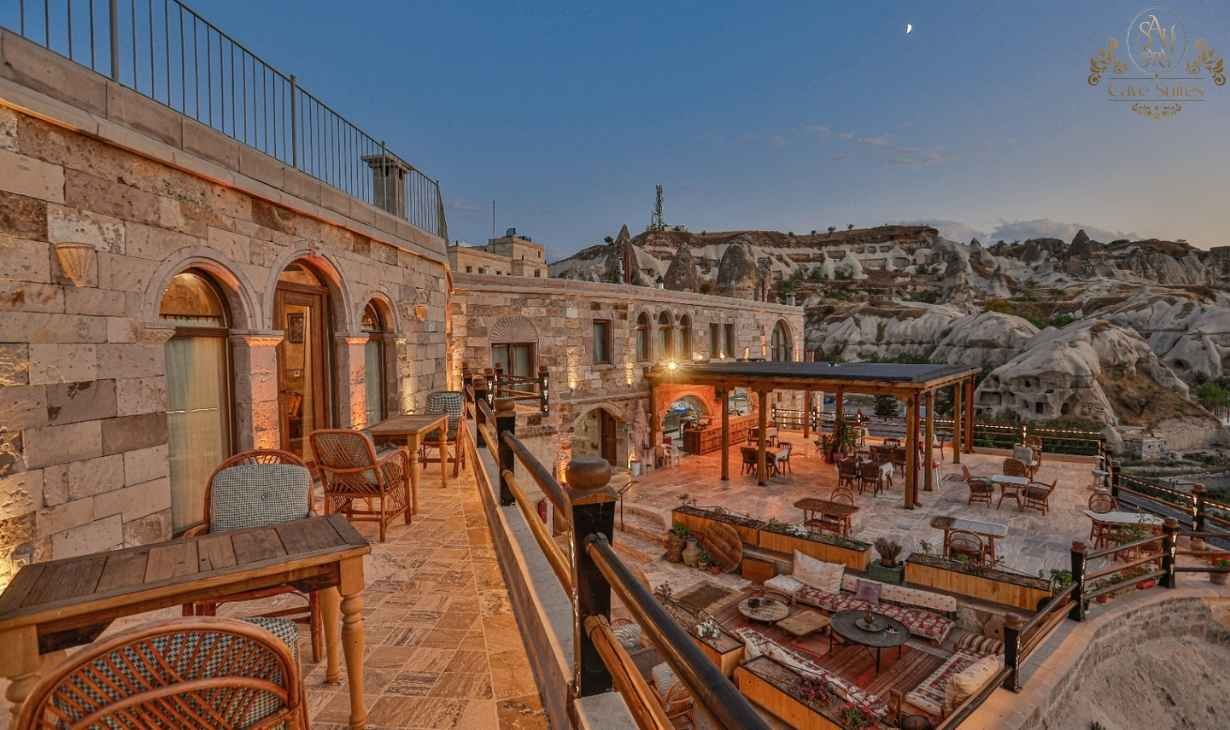
For guests staying in Göreme, the valley is one of the easiest natural attractions to access. Şah Saray Cave Suites is located about 5 km from Pasabag Valley, making it a convenient base for exploring the northern Cappadocia route.
Why Is It Called Monks Valley? The History of Pasabag
The name Pasabag Monks Valley reflects both historical and linguistic origins.
The word “Pasabag” means “Pasha’s Vineyard” in Turkish. The area was once surrounded by vineyards, and after the Turkish War of Independence, local land was reportedly granted to a retired pasha, giving the valley its modern name.
The alternative names Monks Valley and Hermits Valley date back to the Byzantine period. From the 4th century onward, monks and hermits lived in the region. Some chose communal monastic life, while others lived alone as hermits. The valley therefore hosted both forms of early Christian ascetic practice.
One of the most notable figures associated with the area is St. Simeon. Historical accounts describe how, during the 5th century, he lived a highly ascetic life in elevated stone structures. In Pasabag, a chapel dedicated to this tradition can be found inside a distinctive three-headed fairy chimney. The valley also contains rock-carved living spaces and churches reflecting its Byzantine-era usage as a religious retreat.
Until 1952, local residents continued to inhabit parts of the area. remnants of a mosque, mill, tunnels from that period can still be observed.
Pasabag Valley Fairy Chimneys — What Makes Them Unique?
The landscape of Pasabag Valley fairy chimneys represents one of the most dramatic examples of Cappadocia’s geological formation.
The process began millions of years ago with volcanic activity in the region. Layers of volcanic ash hardened into tuff, later covered by harder basalt rock. Over time, wind and rain eroded the softer tuff, while the basalt caps protected the pillars beneath. This created the characteristic mushroom-shaped formations.
Pasabag is especially notable because:
- It contains one of the densest fairy chimney formations in Cappadocia.
- Many pillars reach up to 15 meters in height.
- Some formations have two or even three caps, a rare feature most commonly seen here.
- The valley sits within former vineyard land, creating a striking visual contrast between nature and landscape.
This combination of geological evolution and cultural history makes Cappadocia Pasabag Valley one of the most distinctive sites in the region.
What to See in Pasabag Valley
Monk Cells
Rock-carved living spaces used by monks and hermits, some reaching multiple levels.
St. Simeon Chapel and Hermitage
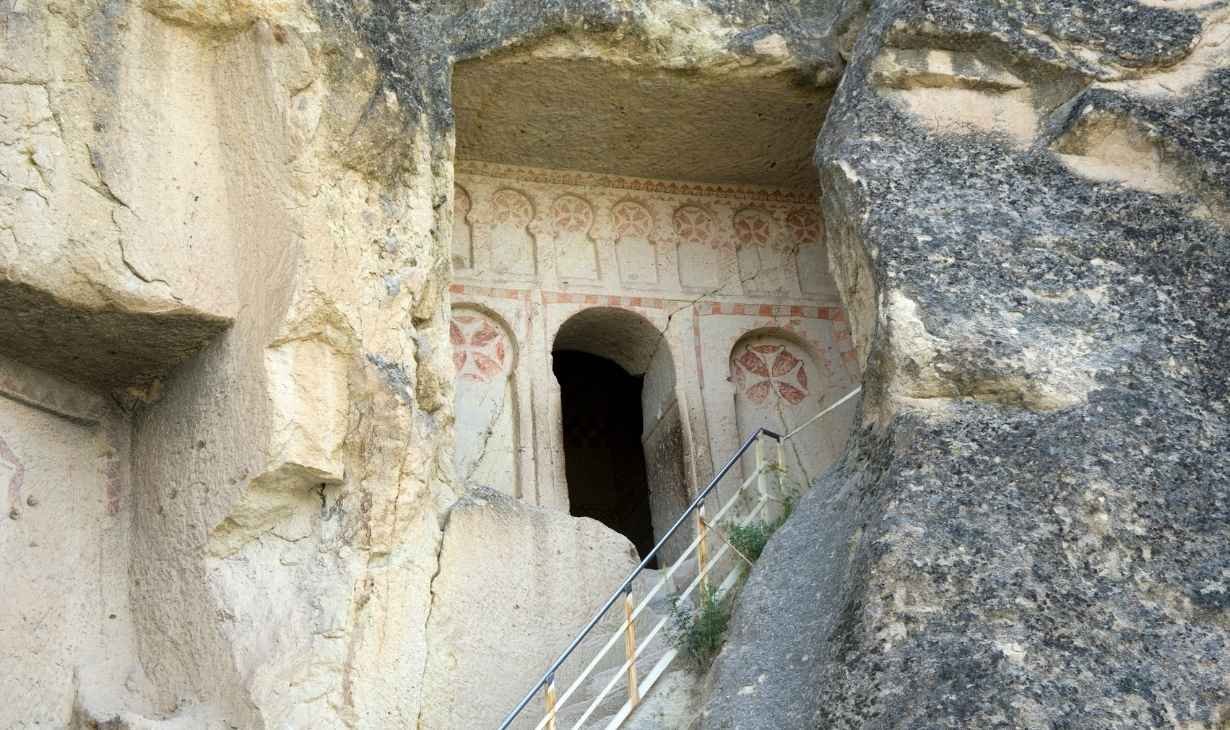
A chapel carved inside a three-headed fairy chimney, accessible via a narrow staircase. Historical records associate the site with Simeon, a hermit who lived near Aleppo during the 5th century and later came to Cappadocia after attracting attention because of reported miracle stories connected to him. According to local accounts, he first lived on a 2-meter-high pillar and later on a column reaching approximately 15 meters, while followers left food below. Today, a chapel dedicated to him can still be seen inside one of the valley’s three-headed fairy chimneys. During the Byzantine period, the valley was used as a retreat by Christian monks and hermits. Unlike Simeon, many hermits lived inside rock-carved chambers rather than on elevated pillars. Some of these hollowed-out living spaces reach heights of up to 15 meters and include interconnected rooms carved directly into the fairy chimneys. The area continued to be inhabited by local residents until 1952. Remnants from this later settlement period, including a mosque, mill, tunnels, and dovecotes, are still visible throughout the valley today.
Balıklı Church
A 10th-century church featuring decorative motifs and interior carvings.
Üzümlü Church
Known for its partially preserved entrance and historical fresco traces.
Geyikli Church
Named after a deer depiction inside the structure.
Panoramic Viewpoint
The upper terrace offers a wide view over the fairy chimney landscape. Visitors should exercise caution near edges due to loose rock surfaces.
Shopping and Rest Areas
Small kiosks and tea stops are available near the entrance.
Pasabag Valley Entrance Fee and Opening Hours
Pasabag Valley is a paid archaeological site. The MuseumPass Card (Müzekart) is accepted.
The same ticket also allows entry to Zelve Open Air Museum, which is located approximately 1.5 km away. This shared ticket system makes it practical to visit both sites together.
Opening Hours:
- Summer (1 April – 1 October): 08:00–19:00
- Winter (1 October – 1 April): 08:00–17:00
Things to Know Before Visiting Pasabag Valley
- Arrive early: The site becomes crowded mid-morning due to tour groups. Early arrival ensures better light and fewer visitors.
- Combine with Zelve: Since both sites share the same ticket, plan to visit them together.
- Watch your step: The upper viewing areas have fragile surfaces.
- Bring sun protection: The valley has very limited shade.
- Plan 1–1.5 hours: This is sufficient to explore comfortably.
- Photography tip: Early morning provides the best lighting conditions.
Pasabag and Zelve — Visiting Both in One Trip
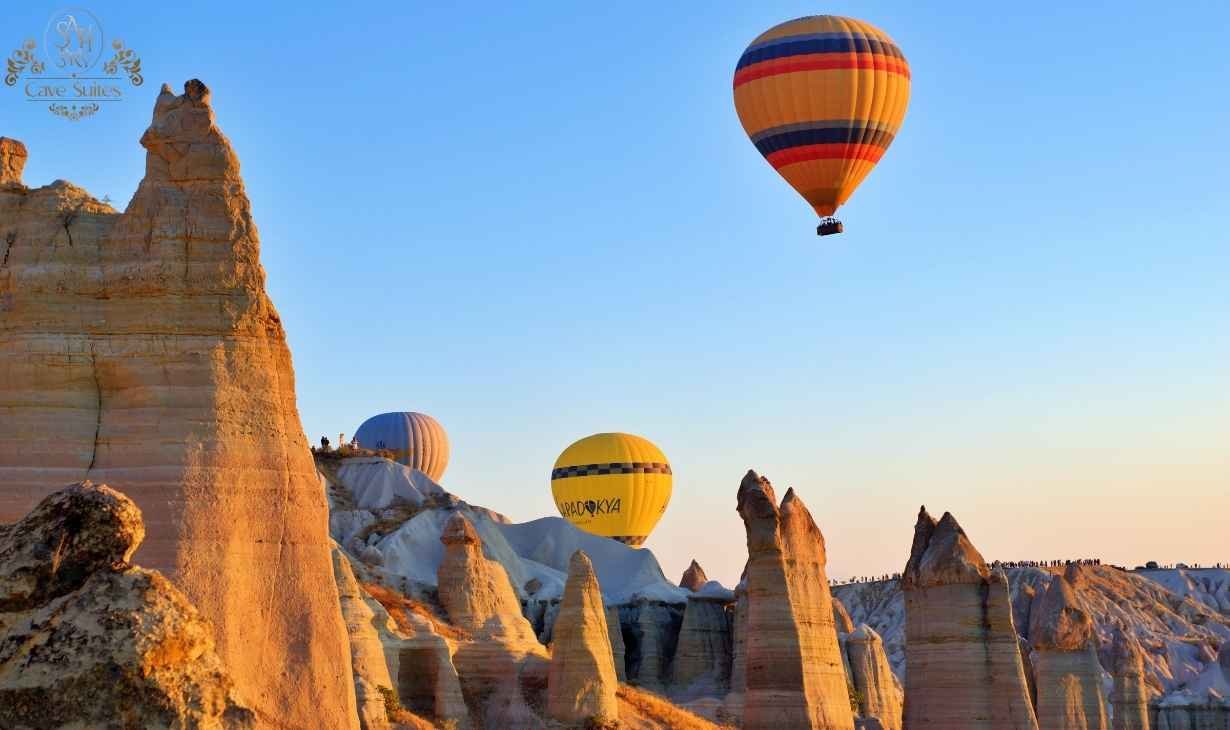
Pasabag Valley Cappadocia and Zelve Open Air Museum are only about 1.5 km apart and can be visited on the same day using the same ticket. Many travelers follow the route Zelve first, then Pasabag, as recommended for a logical flow.
The nearby Devrent Valley can also be added to the itinerary, allowing visitors to complete the main northern Cappadocia circuit in one day. This combination is one of the most popular travel routes in the region.
Guests staying at Şah Saray Cave Suites can also receive assistance with arranging reliable Cappadocia tours tailored to their interests. Rather than offering one fixed package, the hotel helps visitors choose suitable tour options based on their preferences, and budget. Whether you are interested in the Red Tour route covering Pasabag, Zelve, and Devrent, or a more specialized local experience, the team can help organize dependable and value-oriented tours through trusted local operators.
Guests staying at Şah Saray Cave Suites can also receive assistance with arranging reliable Cappadocia tours tailored to their interests. Rather than offering one fixed package, the hotel helps visitors choose suitable tour options based on their preferences, and budget. Whether you are interested in the Red Tour route covering Pasabag, Zelve, and Devrent, or a more specialized local experience, the team can help organize dependable and value-oriented tours through trusted local operators.
Where to Stay for Visiting Pasabag Valley
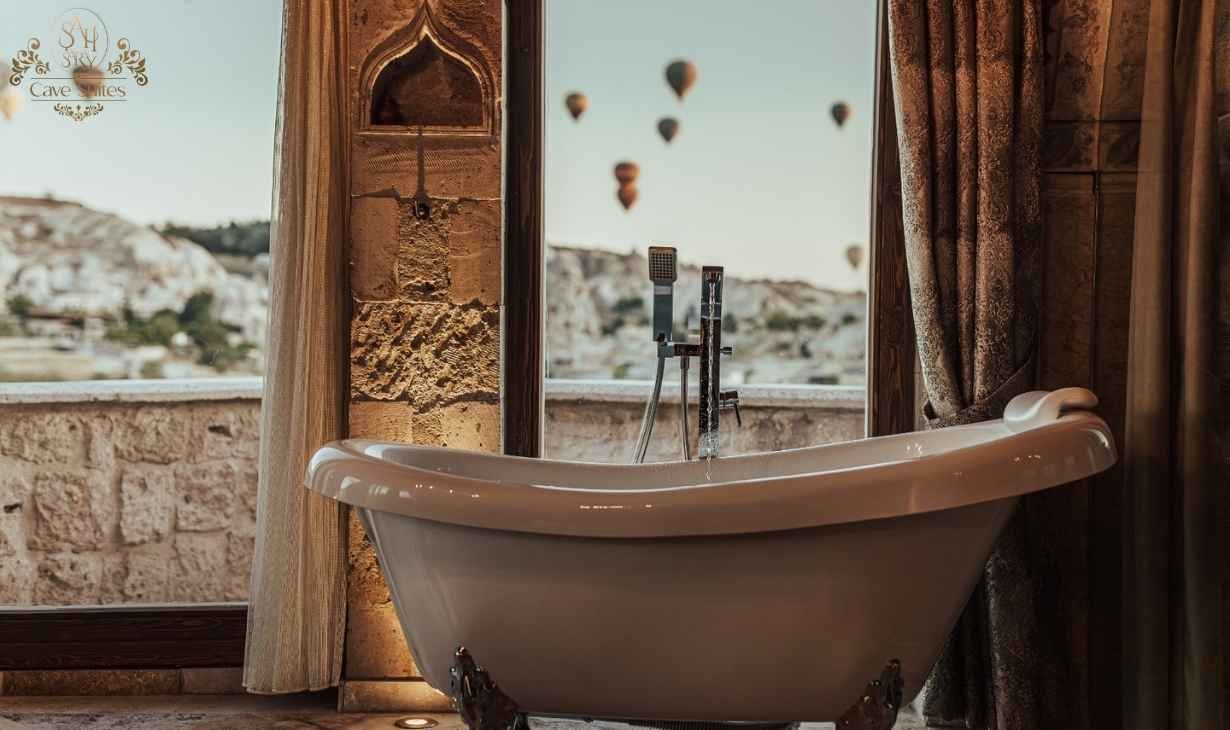
If you are planning to explore Pasabag Valley Turkey, staying in Göreme provides convenient access to the northern Cappadocia attractions. Göreme is centrally positioned for visiting Pasabag, Zelve, Çavuşin, and Devrent. For travelers looking for Cappadocia cave hotels with fairy chimney and balloon views, staying in Göreme also provides convenient access to sunrise viewpoints, hiking trails, and the region’s main valleys.
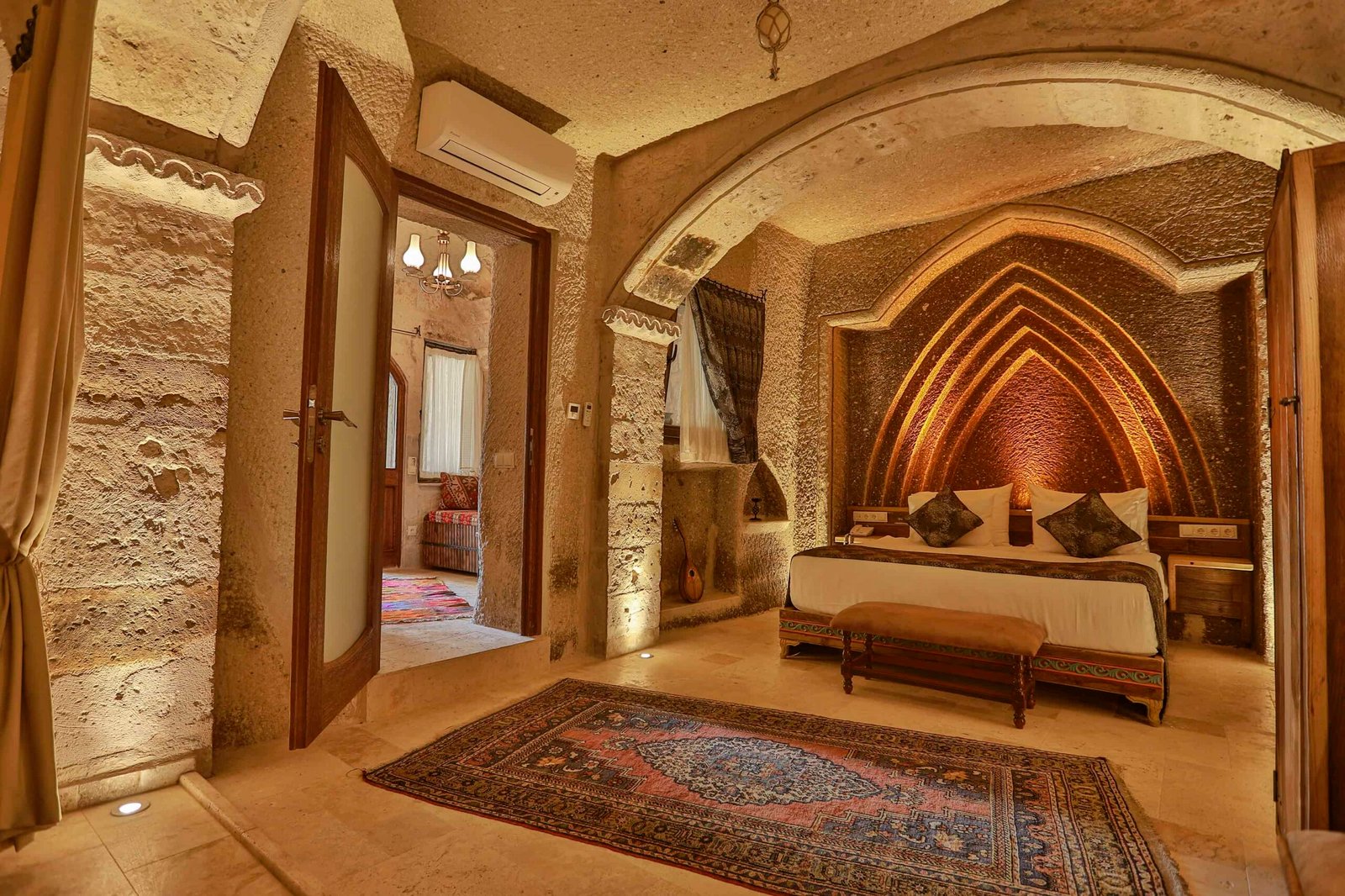
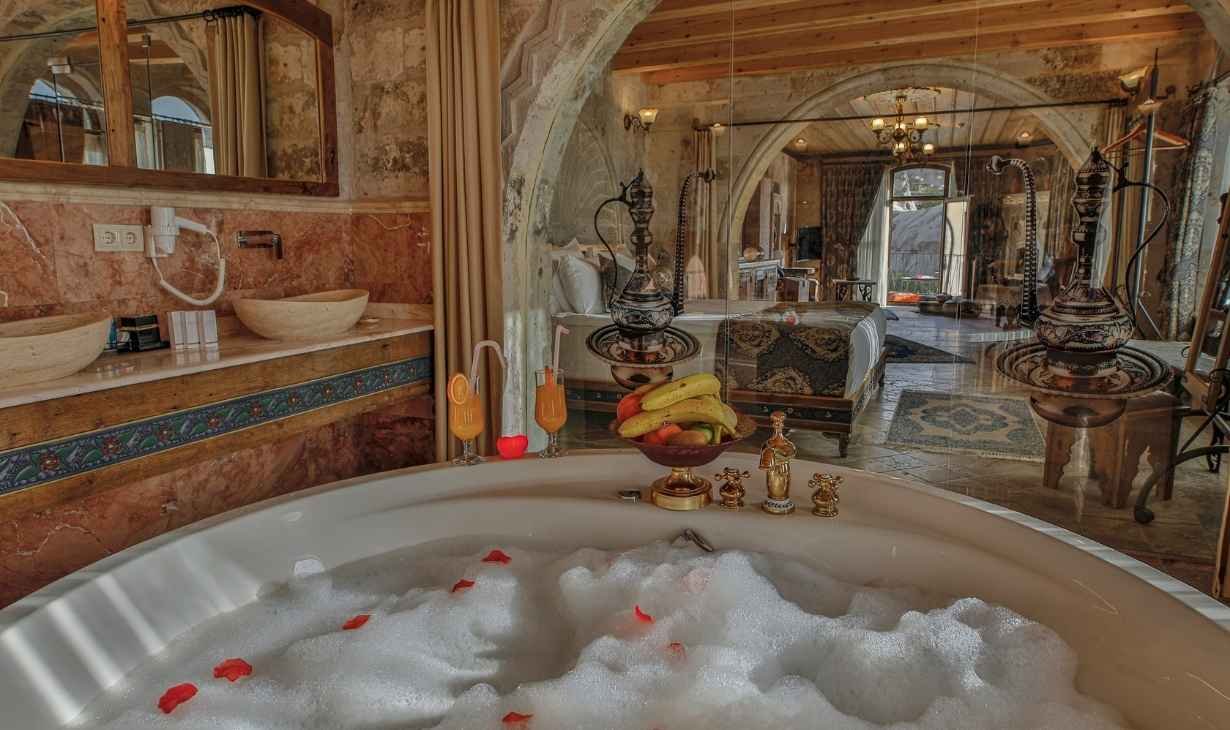
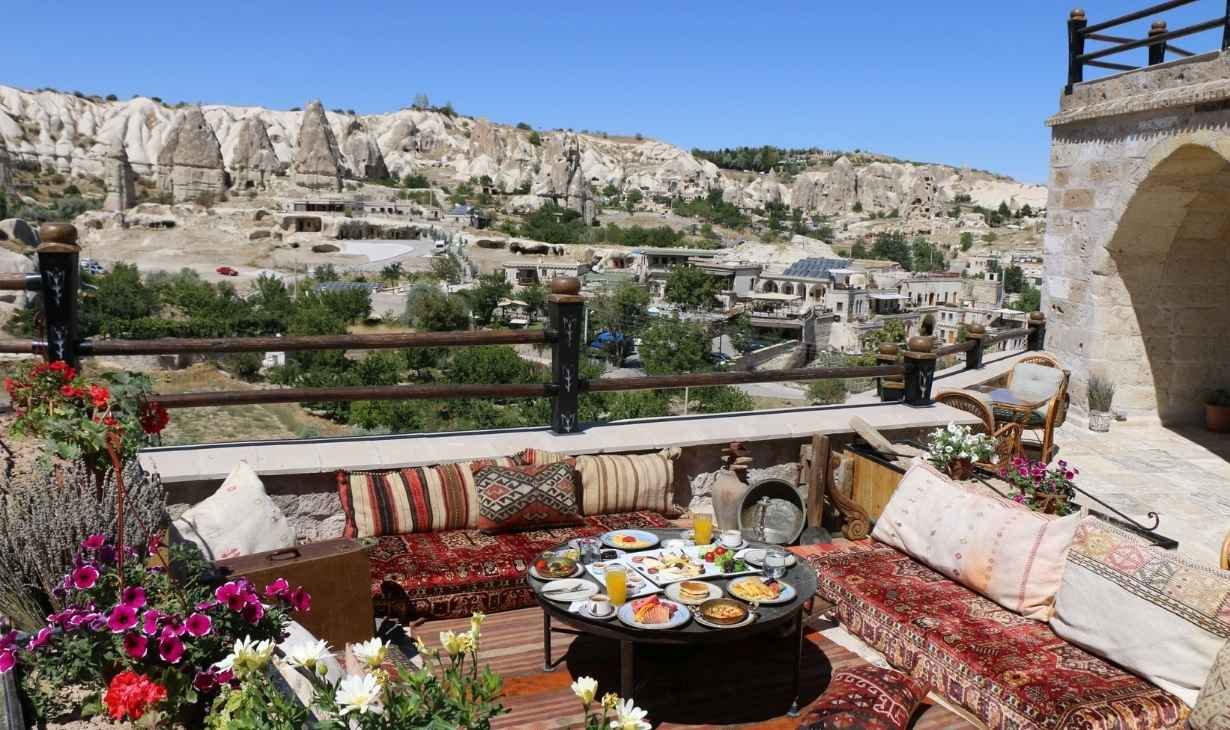
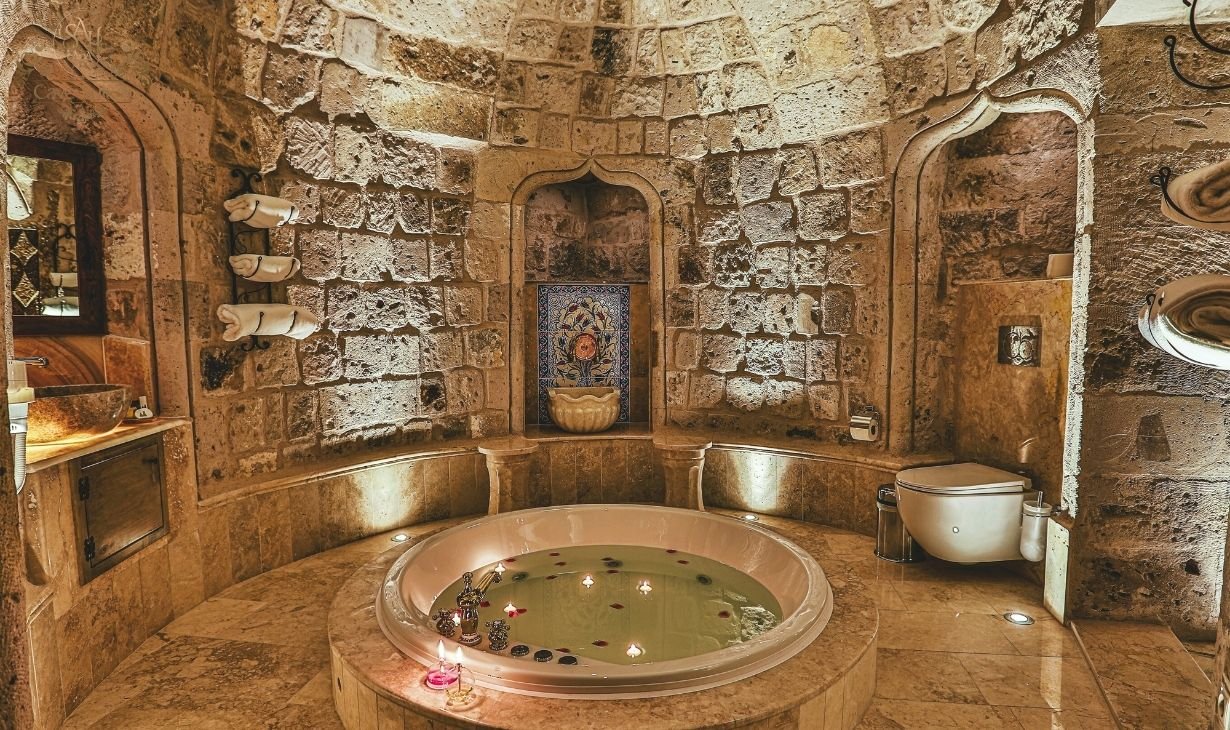
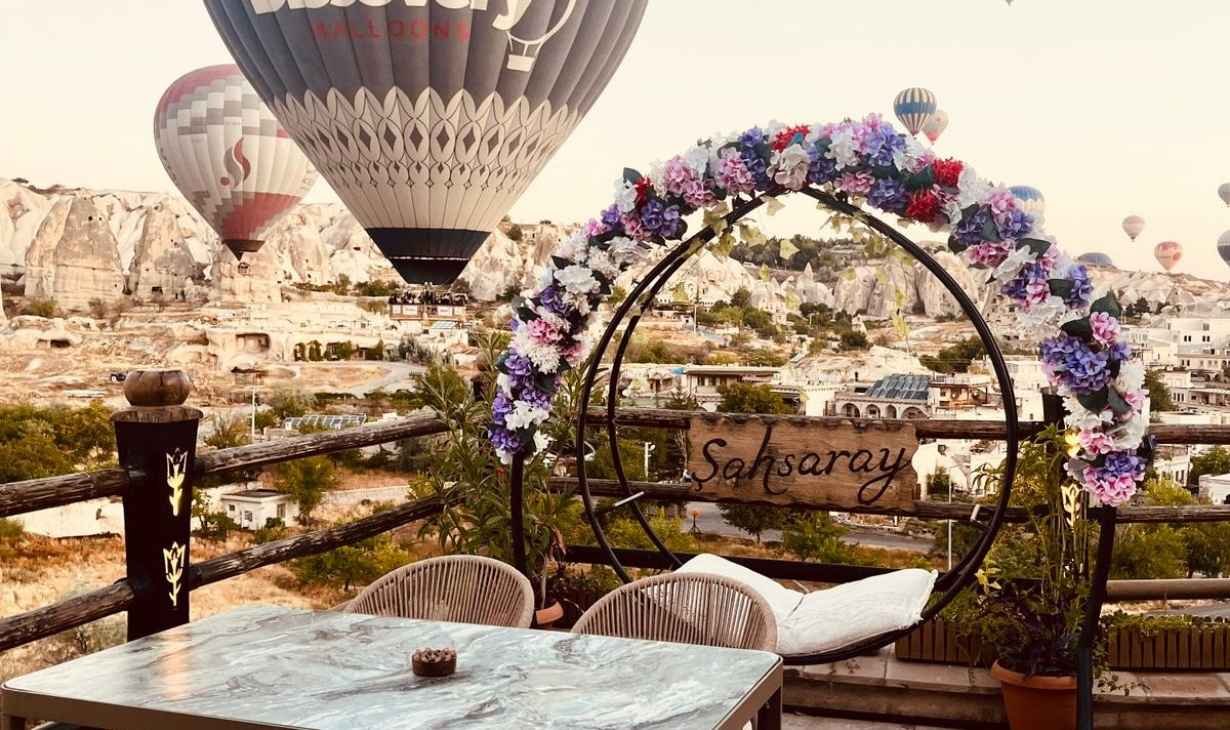
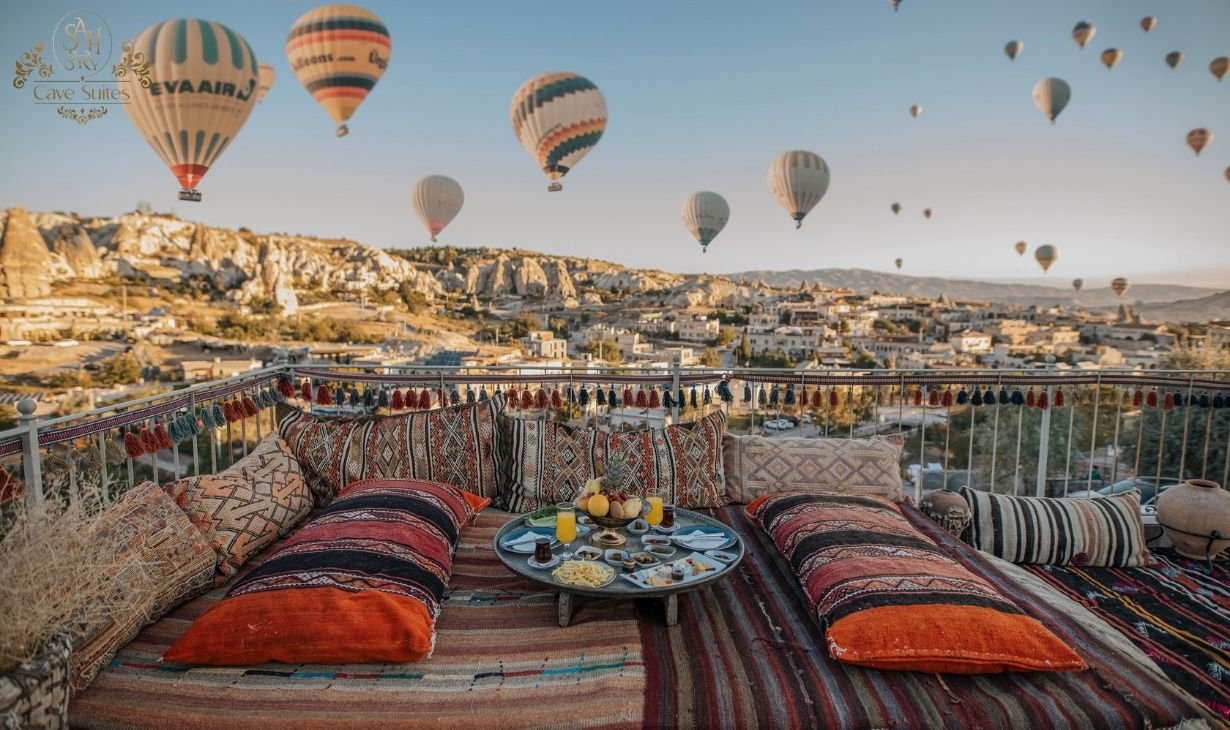
Şah Saray Cave Suites is located approximately 5 km from Pasabag Valley and about 6 km from Zelve Open Air Museum. It offers easy access to the full northern route while remaining in the heart of Göreme. The property is known as Cappadocia’s first and only halal-certified cave hotel and features panoramic views of the fairy chimneys and hot air balloons. On-site dining is available at Uzundere Anatolian Restaurant. For travelers seeking a well-located cave hotel near Pasabag, it serves as a practical base for exploring the region.
OUR CLOSE TO ACCESS POINTS
Experiences & Activities
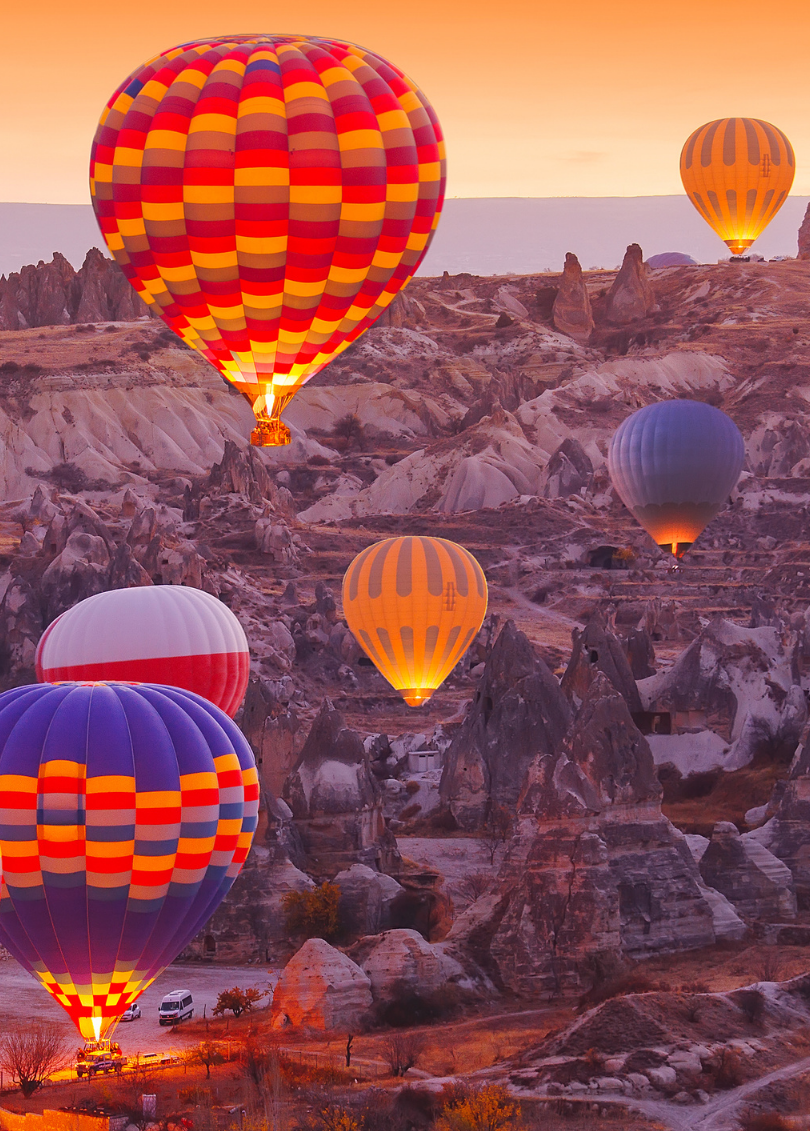
Apart from our in-hotel services, we also support you with airport transfers, culture-art tours and various activities.
Close to Tourist Attractions!
Our hotel is very close to many important points where you can visit with pleasure.